Nuclear Warning Sirens Will Sound Across The Charlotte Region This Week

0

Charlotte area residents in earshot of the nuclear power plants on Lake Wylie and Lake Norman are about to hear testing sirens blast on April 1st.

The Catawba and McGuire nuclear station sirens will be tested between 11 a.m. and 1 p.m. and may sound for five to 30 seconds. Officials said anyone who hears them during that window does not need to take action.

Some sirens could sound more than once, and follow-up testing may continue after 1 p.m. if maintenance crews need to check certain units again.

The test covers a large network of sirens around both plants, including 89 sirens near the Catawba Nuclear Station in York County and 67 sirens near the McGuire Nuclear Station in Huntersville.

Because this is only a test, local TV and radio stations will not interrupt programming with emergency alerts. In a real emergency, those stations would broadcast public instructions.

The testing is being done with emergency management agencies in Mecklenburg, Gaston, Iredell, Lincoln, and Catawba counties, along with York County in South Carolina.

For people around Charlotte, Lake Norman, and Lake Wylie, the bottom line is simple: if you hear a siren late Wednesday morning, it’s probably just the scheduled nuclear warning system test.

York County Ranks Among SC’s Most-Ticketed Counties Under New Hands-Free Law

0

York County drivers are among the most cited in South Carolina under the state’s new hands-free driving law, with 184 citations issued in just the first month of enforcement.

New numbers released Monday by the South Carolina Department of Public Safety show York County tied with Richland County for the fifth-highest total in the state from Feb. 28 through March 29, 2026.

From Feb. 28 through March 29, York County drivers were issued 184 citations, tying the county with Richland County for fifth place statewide. Only Charleston County (470), Spartanburg (464), Horry (345), and Greenville (231) recorded more.

The law began being fully enforced on Feb. 28 after a six-month warning period ended. Since then, officers across South Carolina have issued 3,495 citations statewide.

In York County, 81 citations came from DPS agencies, including Highway Patrol, while 103 came from other law enforcement agencies.

South Carolina’s hands-free law bans drivers from holding or supporting a phone while texting, emailing, browsing websites or social media, watching videos, or making calls. Drivers can still use phones in hands-free mode or while legally parked or stopped.

For York County, the ranking shows local drivers are already among the most-ticketed in the state under the new distracted driving law.

Charlotte’s Industrial Vacancy Rate Just Hit One of the Highest Levels in the US

0

Charlotte’s industrial market is still growing, but new national data shows the region is also feeling the pressure of a cooling warehouse boom.

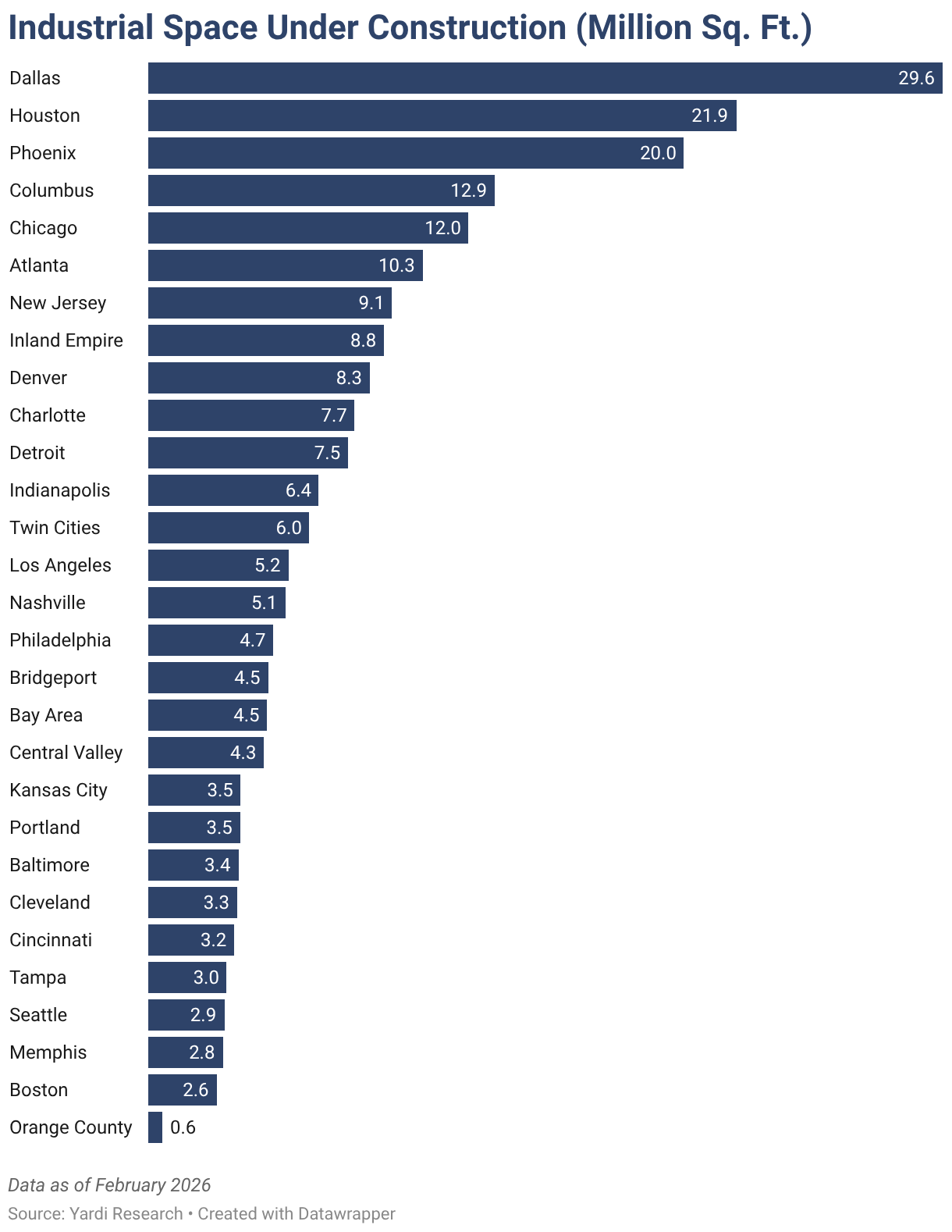
According to CommercialCafe’s new March 2026 Industrial Report, the Charlotte market posted an average industrial rent of $7.68 per square foot in January, up 3.1% from a year earlier. At the same time, the market’s vacancy rate climbed to 11.6%, one of the highest among major U.S. industrial markets tracked in the report.

That puts Charlotte in an unusual position. Rents are still rising, but empty space is rising faster.

Charlotte’s rent growth lagged well behind other Southern rivals. Atlanta posted 7.9% annual rent growth, Dallas-Fort Worth hit 6.5%, Houston reached 5.8%, and Nashville came in at 6.0%. Charlotte’s 3.1% increase matched Memphis and trailed nearly every major Southern logistics hub in the comparison.

The bigger headline may be vacancy. Charlotte’s 11.6% vacancy rate matched Miami and sat above the national average of 9.2%. Only a few major markets in the report, including Denver, Memphis, Boston, Tampa, and the Central Valley, posted higher vacancy levels.

CommercialCafe highlighted Charlotte as a prime example of rising Southern vacancies, noting that the market jumped 440 basis points year over year, from 7.2% to 11.6%.

Even so, leasing prices show demand has not disappeared. Space leased in Charlotte over the past 12 months averaged $8.03 per square foot, above the market’s in-place average of $7.68. That suggests new deals are still being signed at a premium, even as more industrial space sits available.

Nationally, industrial rents reached $8.99 per square foot in February, up 5.5% year over year, while vacancy hit 9.2%. The report said supply growth has started to normalize, but vacancies remain elevated after several years of rapid development.

For Charlotte, that likely means the market is shifting from breakneck expansion to a more competitive phase. Developers and landlords are no longer operating in a near-zero-vacancy environment. Instead, tenants now have more options, and pricing power may be softer than it was during the peak warehouse rush.

That matters in a region where heavy industrial growth has been a major part of the local economy. Charlotte has benefited for years from its location, highway access, airport cargo activity, and growing population. But the latest figures suggest the market is no longer as tight as it once was.

Locally, the takeaway is clear: Charlotte remains a significant industrial hub, but it is now carrying more vacant warehouse space than many of its peers, even as rents continue to edge up. In other words, the market is still expanding, but the balance of power may be starting to shift.

NCDOT Opening ‘Community Engagement Center’ to Handle Outrage Over I-77 South Toll Lanes

0

The North Carolina Department of Transportation is opening a new community engagement center in Charlotte as it tries to rebuild trust around the controversial I-77 South Express Lanes project.

The new center will open Monday, March 30, at 10 a.m. at 1023 W. Morehead Street, Suite 150, inside the project corridor. Mayor Vi Lyles and Charlotte City Council members are expected to attend, and Lyles is set to give welcoming remarks.

The move comes after months of backlash from residents, especially in historically Black neighborhoods along the corridor. Many neighbors have raised concerns about transparency, long-term impacts, and NCDOT’s decision to move forward with the project’s elevated double-decker design.

That design has become the most debated part of the plan. Instead of widening outward in some areas, NCDOT wants to place express lanes above the existing interstate. The agency says that option is the “least impactful” and would better avoid damage to places like Frazier Park, Pinewood Cemetery, and McCrorey Heights.

Still, double-deck highways have a complicated history in the United States. Similar elevated freeway projects once expanded capacity in cities like Houston, Seattle, and San Francisco. However, some later drew criticism over safety, neighborhood damage, and failure to fix congestion long term.

NCDOT says Charlotte’s project is different. Officials say the design is still in an early stage, with engineering only about 10 to 15 percent complete, and they insist community input will continue shaping the final outcome.

The new community engagement center is meant to give residents direct access to project information, staff, and decision-makers. The site will host community events, provide milestone updates, and offer general information. Appointments can be scheduled online here or by phone at 1-800-254-0498. Residents can also stop in without an appointment.

The center’s regular hours will be:

  • Monday through Friday: 10 a.m. to 6 p.m.
  • Saturday: 9 a.m. to 1 p.m.
  • Sunday: Closed

For Charlotte, the new center signals that NCDOT knows this project cannot move forward quietly.

North Carolina Wildfire Count Tops 100 as Crews Fight Fast-Growing Blazes Statewide

0

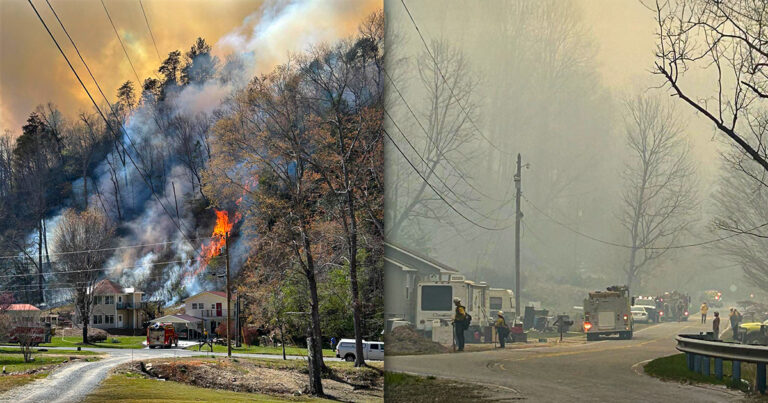
North Carolina wildfire crews are battling a growing number of fires across the state, and a new blaze in Avery County has already shut down part of a local road as aircraft work overhead.

Emergency officials said the latest fire was reported in Elk Park near the Carter County line. The wildfire has burned about 30 acres and remains 0% contained.

Because of the danger, Little Elk Road is closed to local traffic while crews try to stop the fire’s spread. Helicopters and fixed-wing aircraft are also working the area, and officials are warning people not to fly drones or private aircraft near the fire zone.

The Elk Park fire is only part of a much larger problem. Other major fires are also burning across western North Carolina as dry weather and wind continue to fuel dangerous conditions.

In McDowell County, the Jumping Branch Fire in the Buck Creek community has grown to about 175 acres and is also 0% contained. The U.S. Forest Service is assisting the North Carolina Forest Service, local fire departments, and McDowell County Emergency Management there.

Meanwhile, the Poplar Fire in Mitchell County has burned about 350 acres and is reported at 80% containment. Another wildfire in Wilkes County has burned around 140 acres.

As conditions worsened, the North Carolina Forest Service issued a statewide burn ban effective 6 p.m. Saturday, March 28, canceling all burning permits and prohibiting open burning until further notice. State officials said the ban was necessary because of drought, hazardous fire weather, and limited rainfall prospects. Under North Carolina law, violators can face a $100 fine plus $183 in court costs, and anyone responsible for starting a fire may also be liable for firefighting costs.

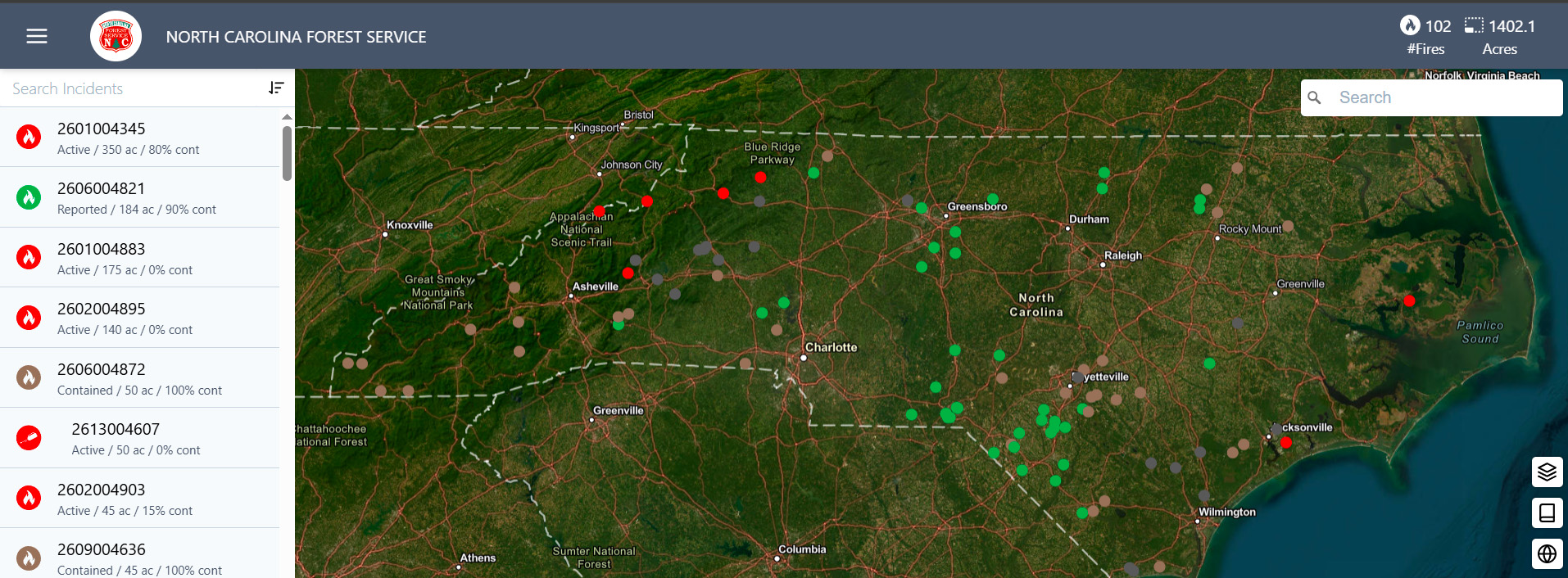
According to the North Carolina Forest Service, there are now more than 100 wildfires burning statewide, with more than 1,000 acres already on fire.

For North Carolina residents, the message is clear. The fire threat is growing fast, and even a small outdoor spark could quickly become a major wildfire.

Charlotte Just Broke The Record For The Hottest March 27th in Recorded History

0

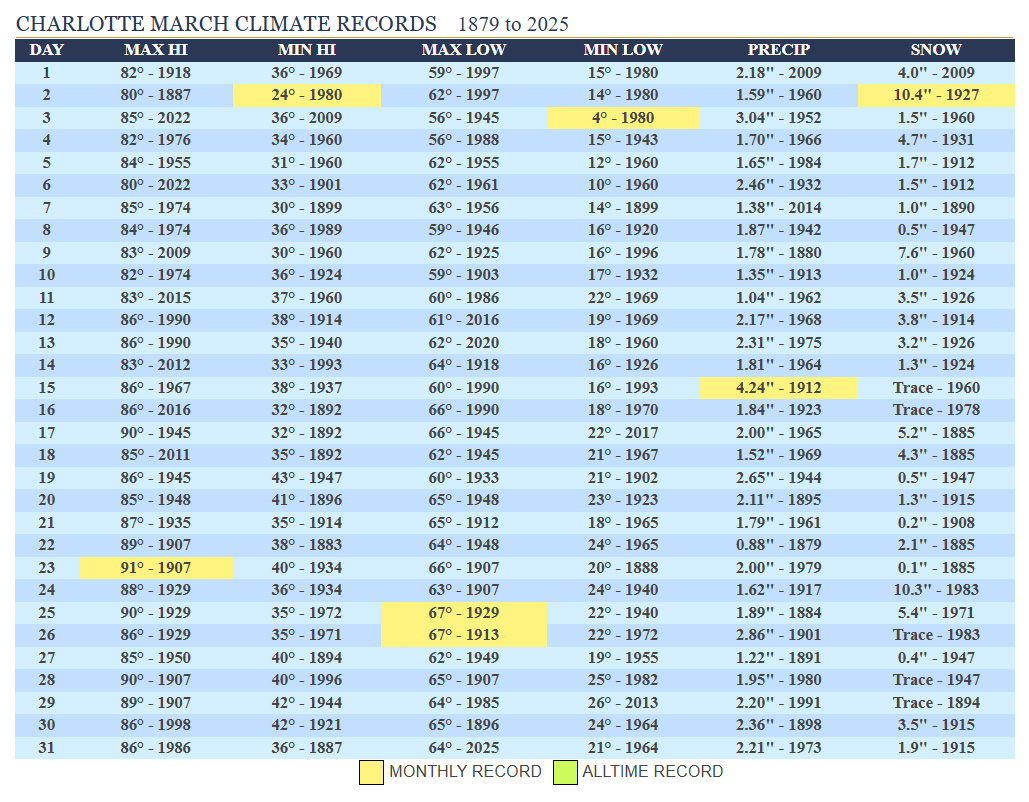
Charlotte just broke its all-time high temperature record for March 27, making today the hottest March 27 in the city’s recorded history.

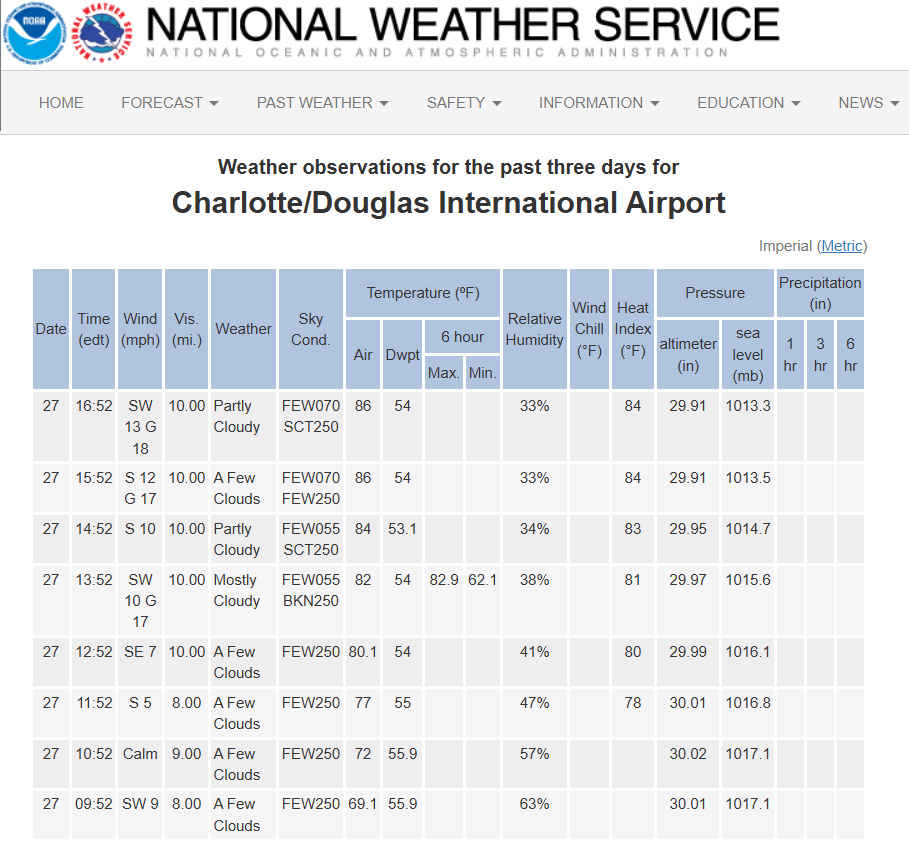
At Charlotte Douglas International Airport, the temperature reached 86 degrees Thursday afternoon, according to National Weather Service observations. That broke the previous March 27 record of 85 degrees, which was set in 1950.

The record fell after a rapid warmup through the day. Charlotte started the morning in the low 70s, then climbed into the 80s by early afternoon before reaching the new record high.

via NWS

Charlotte’s March climate records date back to 1879, giving Thursday’s heat extra significance. In nearly a century and a half of records, the city had never recorded a hotter March 27.

via NWS

What makes the spike even more dramatic is how quickly temperatures are expected to fall. After hitting the mid-80s Thursday, Charlotte is forecast to cool into the low 60s on Saturday with sunshine, wind, and a much drier air mass.

The forecast also includes an elevated fire threat Saturday because of gusty winds and very low humidity.

For Charlotte, the day was a reminder of how fast spring weather can swing in the Carolinas. One day set a heat record, and the next will feel much closer to late winter than early summer.

6x More Gen Z Renters in Charlotte — Biggest Young Renter Community in NC

0

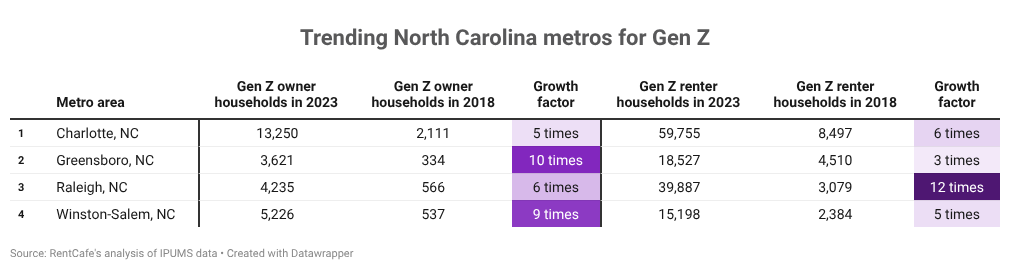
Gen Z renter households in Charlotte jumped sixfold in five years, from roughly 8,500 to nearly 60,000. Today, 82% of Gen Z adults here rent. On the ownership side, buyers among this age group grew fivefold to 13,250.

What makes Charlotte stand out? It’s not the fastest-growing metro in North Carolina for Gen Z renters — that’s Raleigh, with a twelvefold increase. And it doesn’t have the highest homeownership rate — that’s Winston-Salem, sitting at 26%. But Charlotte leads in scale, with the biggest Gen Z renter and owner populations in the state, powered by a 210% income growth and the strongest job growth among NC’s major metros — 8%.

One of the World’s Biggest Asset Managers Is Opening $116 Million Hub in Charlotte

0

Capital Group, one of the world’s largest active asset managers with $3.4 trillion in assets, is bringing a major East Coast operations hub to Charlotte, a project expected to create 600 jobs, generate more than $116 million in annual payroll, and drive an estimated $5.2 billion in economic impact across North Carolina.

“Charlotte stood out as a natural fit for Capital Group’s next phase of growth,” said Capital Group COO Rob Klausner in a press release. “North Carolina’s strong financial services ecosystem, growing talent base and long-term outlook align closely with our priorities as a firm. This investment strengthens our operating resilience, supports better outcomes for our clients, and reflects our commitment to building careers and community alongside our associates in Charlotte.”

The privately owned company, headquartered in Los Angeles, has more than 90 years of investment management experience. Founded in 1931, Capital Group is known for its early stewardship of one of the country’s first mutual funds, the Investment Company of America.

The Charlotte hub will support the company’s growth across the U.S. and around the world. It also adds another major financial name to Charlotte’s expanding business and banking sector.

The project is being supported in part by a Job Development Investment Grant, or JDIG, approved by the state’s Economic Investment Committee. The agreement allows for potential reimbursements of up to $17.17 million over 12 years, but only if the company meets verified job creation and investment targets.

State officials said the project includes a planned $60 million capital investment. They also said the return on public dollars is projected at 341 percent, meaning the state expects to receive $4.41 in revenue for every dollar of potential cost.

Because the project is landing in Mecklenburg County, a Tier 3 county under North Carolina’s economic system, the agreement will also direct $5.72 million into the state’s Industrial Development Fund – Utility Account. That fund helps rural communities pay for infrastructure upgrades needed to attract future employers.

Why Do So Many People Keep Getting Sick and Injured At Fort Mill’s Silfab Factory?

0

UPDATE 3/30/2026 4:00pm:

Another emergency medical call came in for someone experiencing blood pressure problems at Silfab’s factory. This is another potential health side-effect of the toxic chemicals they use on site.

UPDATE 3/28/2026 8:00am:

Yet another call came in late last night of a 25-year-old woman vomiting blood at Silfab – here was last nights call heard over the emergency scanners:

Sat. 3/28/2026 12:50 AM YC Fire/EMS Emergency Dispatch to Silfab, EMS 214 Abdominal pain. Adult female patient abdominal pain, 25 YO female, located in women’s locker room, meet at the front entrance, vomiting blood, also complaining of lightheadedness and headache.

Original Article 3/26 6:00pm
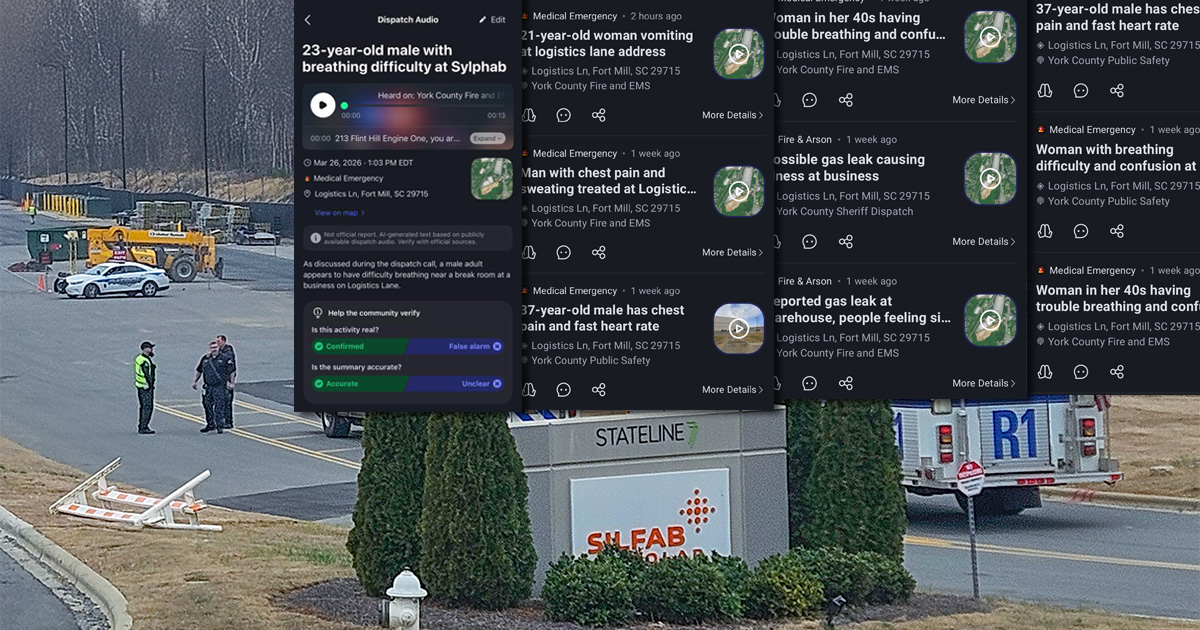
This afternoon York County emergency crews rushed to the Silfab factory after reports of a 23-year-old male was having trouble breathing.

Today’s incident is just one more in an ever-growing list of medical calls, emergency alarms, and leak-related responses at Silfab Solar – adding new pressure to an already volatile fight over the Fort Mill factory’s safety and legality.

The concern is no longer limited to zoning lawyers and nearby residents. In recent weeks, York County reported that 1,530 gallons of potassium hydroxide spilled into a retention pond beside Flint Hill Elementary School, and officials later confirmed a second leak involving hydrofluoric acid that led to a two-day school closure and a state-ordered operational pause.

That backdrop makes the factory’s recent string of emergency calls even more significant. Publicly available dispatch calls show repeated calls for breathing trouble, chest pain, vomiting, seizure activity, and other significant health and safety issues at Silfab’s factory at 7149 Logistics Lane over the past couple months.

There have been no similar emergency calls over the past 2 months at ES Foundry solar cell factory in Greenwood, SC, nor at the Suniva solar cell factory in the Atlanta area (both of which are located in heavy industrial zoned areas).

Recent documented emergency calls at 7149 Logistics Lane include:

  • 3/30/2026, 3:59 p.m. – an emergency call came in for a person at Silfab experiencing blood pressure problems.
  • 3/28/2026, 12:50 a.m. – 25-year-old woman vomiting blood with abdominal pain, lightheadedness, and headache.
  • 3/26/2026, 1:01 p.m. — 23-year-old male trouble breathing call; dispatch said the patient called from inside the building
  • 3/9/2026, 9:51 p.m. — neighbors called after hearing emergency evacuation alarms; no injuries were reported
  • 3/4/2026, 8:03 p.m. — woman reported sickness, breathing trouble, inability to talk or swallow, and vomiting; transported to Pineville
  • 3/1/2026, 6:48 p.m. — 21-year-old woman reported sickness and vomiting for about 30 minutes
  • 2/26/2026, 1:42 p.m. — 45-year-old woman reported severe headache and high blood pressure; taken to Pineville Hospital
  • 2/20/2026, 12:45 a.m. — 37-year-old man reported cardiac symptoms and chest pain
  • 2/19/2026, 10:48 p.m. — 40-year-old woman reported trouble breathing and confusion
  • 2/17/2026, about 3:00 a.m. — gas leak call brought fire, emergency management, and sheriff’s deputies; caller reported people getting sick
  • 2/4/2026, 3:28 a.m. — seizure call
  • 1/12/2026, 8:10 a.m. — 29-year-old man reported chest pain and difficulty breathing

Those calls come from a roughly 900,000-square-foot TOPCon solar cell and panel facility we previously reported on. Technical documents tied to the project show the plant is designed to turn raw silicon wafers into finished solar panels through a multi-stage manufacturing process involving strong acids, explosive gases, chemical wastewater treatment, toxic air emissions, and industrial sludge.

Silfab’s own documents indicate the company planned to store major quantities of hazardous chemicals on site, including:

  • 15,850 gallons of hydrofluoric acid — corrosive; fatal if inhaled, swallowed, or in contact with skin
  • 26,456 pounds of silane — pyrophoric toxic gas that can ignite on contact with air
  • 44,000 pounds of anhydrous ammonia — highly flammable, corrosive, and toxic if inhaled
  • 1,945 pounds of phosphorus oxychloride — a Schedule 3 chemical under the Chemical Weapons Convention
  • 1,540 pounds of boron trichloride — toxic if inhaled; causes burns and eye damage
  • 951 pounds of trimethylaluminum — pyrophoric, toxic, and violently reactive with water
  • 10,560 gallons of hydrochloric acid — corrosive; can cause severe burns and lung damage
  • 9,198 pounds of sulfuric acid — oxidizer; can cause respiratory injury, burns, and blindness

The growing safety concerns have now spilled into schools and state politics. On March 10, the Fort Mill School Board passed a formal resolution asking top state officials and York County Council to permanently limit the site to “non-hazardous assembly processes” and remove all hazardous chemicals from the property “in accordance with the facility’s current light industrial zone.” The board acted after the potassium hydroxide and hydrofluoric acid incidents that occurred within a few hundred feet from Flint Hill Elementary School.

The legality fight remains just as serious. York County’s own Board of Zoning Appeals ruled unanimously on May 9th, 2024 (before any of Silfab’s permits were issued) that solar panel manufacturing “is not listed” in the Light Industrial district and is therefore prohibited under section 155.270(G). Attorney General Alan Wilson recently issued a letter to York County Council Chairwoman Christi Cox asking why permits were issued to Silfab after the BZA ruled their use unlawful.

For Fort Mill, the local impact is becoming harder to ignore. Families next to the plant are now weighing not only the zoning question, but also a mounting record of medical calls, alarms, spills, and emergency responses at a factory that stores some of the most dangerous chemicals used in advanced manufacturing.


Mecklenburg County Igniting a ‘Controlled Burn’ at McDowell Nature Preserve Today

0

The Mecklenburg County Natural Resources staff has just announced they will be setting the McDowell Nature Preserve on fire today at around noon as part of a controlled burn.

The county sent out an alert noting that smoke will be seen around Charlotte today between 12-3 pm:

“Mecklenburg County Natural Resources staff are conducting a controlled burn today beginning around noon at McDowell Nature Preserve. Smoke will affect air quality in the downwind area for 2-3 hours. To reduce your exposure to smoke, stay indoors or avoid areas of heavy smoke.”

For more information on controlled burns click here.