
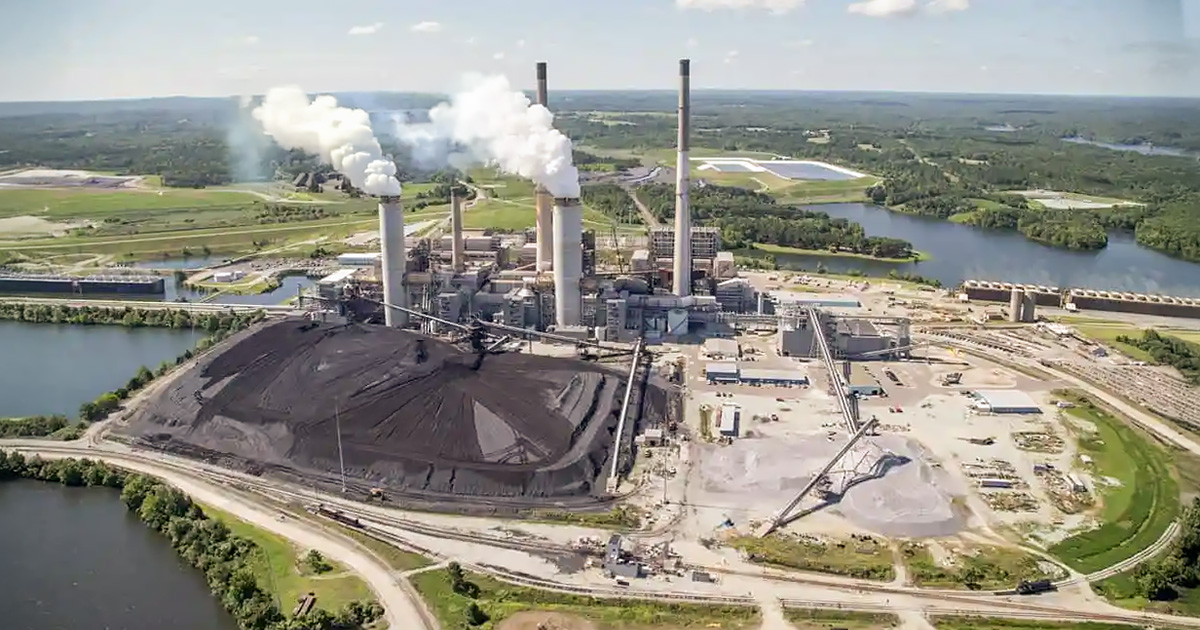
 The Trump administration has just selected Duke Energy to receive up to $34 million in federal funding to help extend the life of one of the nation’s largest coal plants — a move that is reigniting debate over one of the largest environmental concerns in our state – coal ash.
The U.S. Department of Energy included Duke Energy in a six-grant, $175 million package aimed at keeping coal-fired plants operating in North Carolina, Kentucky, Ohio, and West Virginia.
The projects are part of the Department’s $525 million effort to significantly expand America’s coal fleet, extending plant life and adding new capacity.
The North Carolina funding would specifically go to support upgrades at North Carolina’s Belews Creek Coal Plant – one of the largest coal burning plants in the nation.
Belews Creek has two coal-burning units capable of producing about 2.2 gigawatts of electricity, making it one of the largest plants in the country. Duke opened the facility in 1974 and now plans to operate it through the end of 2039 after previously extending its retirement date.
The funding announcement also revives scrutiny over Duke’s coal ash record. The company operates 14 coal ash sites in North Carolina. Monitoring wells at each location have documented groundwater violations tied to metals associated with coal ash.
Along the Catawba River near Charlotte, tens of millions of tons of ash remain stored in unlined pits near drinking water supplies serving more than one million people. Environmental groups have long argued the sites pose ongoing risks.
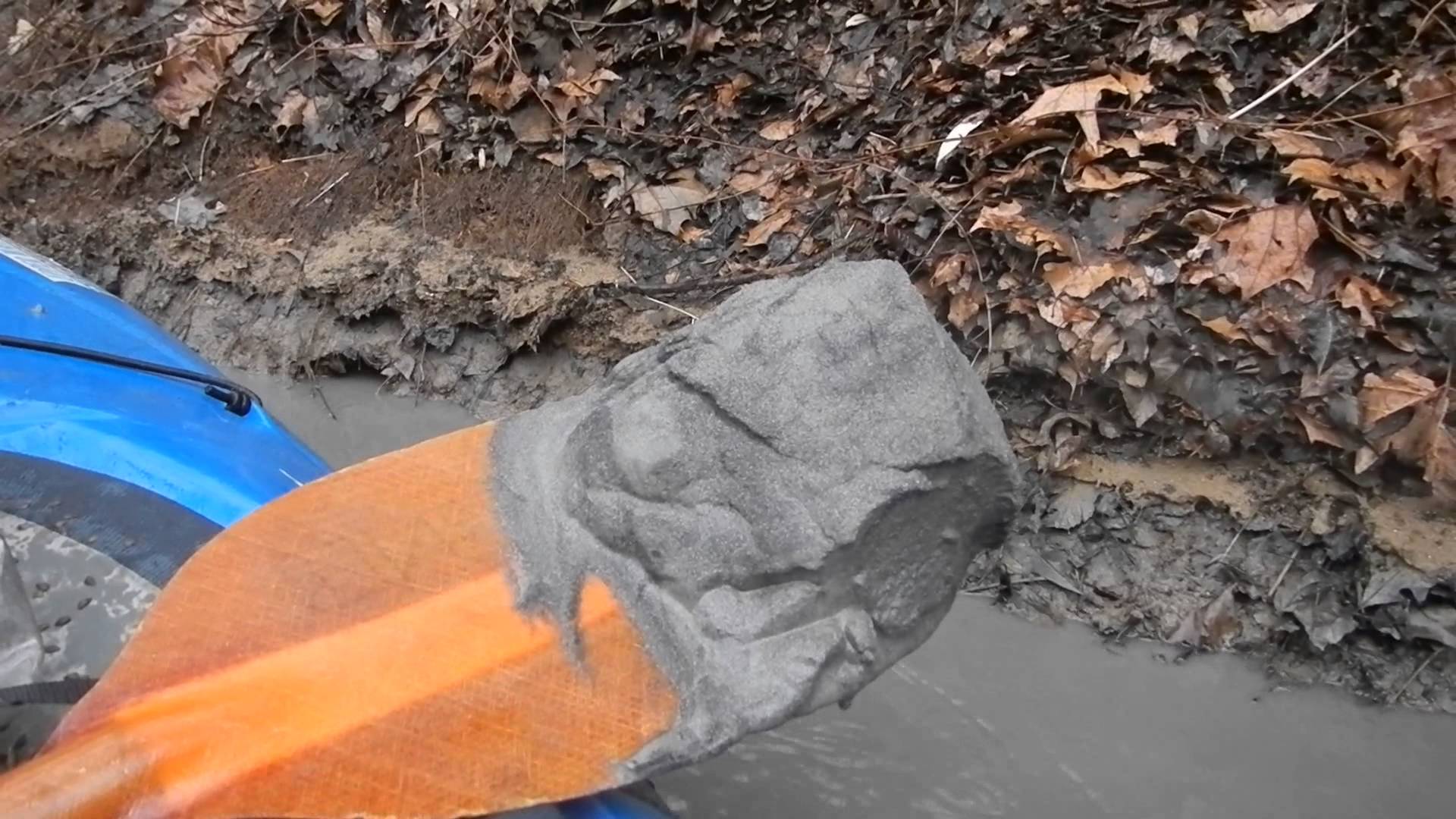 Testing conducted by the Catawba Riverkeeper helped lead to a record $102 million federal fine in 2015 for Clean Water Act violations. In 2016, state regulators ordered Duke to provide alternative water supplies to neighbors after contamination was found near several sites.
Duke is currently under court order to clean up seven of its coal ash facilities, while others remain unresolved.
With federal funding now in play, Belews Creek could remain operational for years to come — extending both its energy production and the controversy surrounding coal’s future in the Carolinas.