
A state advisory council just told lawmakers to legalize and regulate adult-use cannabis. If the General Assembly listens, Charlotte residents could see licensed retail shops, consumer protections, and the end of nearly 11,000 annual marijuana arrests.
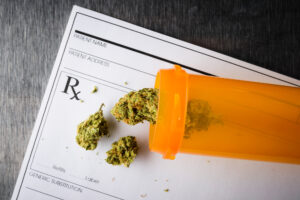 On April 2, 2026, a 25-member panel of law enforcement officials, health experts, and bipartisan legislators handed the North Carolina General Assembly something it has never received before: a formal recommendation to legalize marijuana for adults. The North Carolina Advisory Council on Cannabis, created by Governor Josh Stein through Executive Order No. 16 in June 2025, released its interim report last week with a conclusion that left little room for ambiguity. The status quo, the council wrote, “is not an option.”
For Charlotte, a city that has watched neighboring states build billion-dollar cannabis industries while North Carolina remained one of roughly 10 holdouts without any medical or recreational program, the report represents the furthest any official body in North Carolina has gone on cannabis reform. It does not make anything legal yet. The Republican-led General Assembly still has to act, and neither House Speaker Destin Hall nor Senate leader Phil Berger has publicly endorsed legalization. But the blueprint is now on their desks, and a federal deadline seven months away is forcing the issue.
What Charlotte Residents Are Already Buying (Without Any Rules)
Walk into a vape shop, convenience store, or gas station in Charlotte today and you can buy delta-8 gummies, THCa flower, hemp-derived delta-9 edibles, and vape cartridges that produce genuine psychoactive effects, all of it legal under the 2018 Farm Bill and North Carolina Session Law 2022-32, which removed hemp-derived THC from the state’s Controlled Substances Act. There are no enforceable statewide age restrictions on these purchases. No mandatory testing standards. No potency limits. No ingredient labels you can trust. Governor Stein has repeatedly described this situation as “the Wild West,” and the data backs him up: North Carolina’s hemp industry generates roughly $1 billion annually, almost entirely without state oversight.
The legal loophole is straightforward. The 2018 federal Farm Bill legalized hemp products containing less than 0.3% delta-9 THC. But manufacturers quickly figured out that other cannabinoids (delta-8, THCa, and various synthetic derivatives) could produce intoxicating effects while technically complying with that threshold. THCa flower, for instance, is non-psychoactive in its raw form but converts to regular THC when smoked or vaped. The result is a de facto recreational cannabis market operating without a single consumer protection.
The advisory council’s report found that this unregulated market puts North Carolinians at risk, particularly children. There are no statewide age restrictions on purchasing these products. Some are packaged to look like candy. Parents, educators, and law enforcement have all raised alarms, but existing law gives regulators almost no tools to respond.
Nearly 11,000 Marijuana Arrests in a Single Year
While THC products sit openly on store shelves across Charlotte, police continue enforcing prohibition against traditional marijuana. In 2024, North Carolina logged more than 10,800 marijuana possession arrests, placing the state in the top five nationally. Roughly 94% of those arrests were for simple possession, not trafficking or sales. Since 2018, state and local police have made over 100,000 marijuana-related arrests, the vast majority for low-level offenses.
Possession of less than half an ounce is technically a Class 3 misdemeanor in North Carolina, punishable by a fine of up to $200 but no jail time. That sounds minor until you consider that an arrest still produces a criminal record, which affects employment, housing applications, professional licensing, and student financial aid eligibility. Marijuana arrests accounted for 35% of all drug arrests in North Carolina in 2024, consuming law enforcement resources that could be directed elsewhere.
The contradiction speaks for itself: a Charlotte resident can legally buy an intoxicating THC gummy at a gas station with zero oversight, but possessing a small amount of actual marijuana flower can result in a criminal charge. The advisory council acknowledged this absurdity directly, noting that restricting cannabis access to medical patients alone “could fuel an already robust illicit market, without regulation to ensure consumer safety.”
The Council’s Blueprint for Regulation
The interim report recommends creating a regulated adult-use cannabis market with licensed retail sales for anyone 21 and older. Rather than maintaining separate legal frameworks for hemp and marijuana (the patchwork that created the current mess), the council proposes regulating all cannabis products based on their intoxicating effect, regardless of source.
Under this framework, adults would purchase cannabis through state-licensed retail outlets, similar to how North Carolina already controls liquor sales through the ABC system. Governor Stein has explicitly endorsed this model, calling for standardized testing, ingredient labeling, concentration disclosure, and enforceable age restrictions. The council’s report argues that regulation would generate hundreds of millions of dollars in state tax revenue while creating “clear and enforceable rules” and “dedicated resources for compliance and enforcement.”
The council includes co-chairs Dr. Lawrence Greenblatt (State Health Director) and District Attorney Matt Scott of Robeson County, along with representatives from law enforcement, the state health department, the Office of Budget and Management, tribal governments, and agricultural stakeholders. Its final recommendations are due to the legislature by December 31, 2026.
A Federal Deadline Makes State Action Urgent
Here is the detail that most coverage has missed: the state does not have unlimited time to figure this out. Public Law 119-37, signed on November 12, 2025, redefines hemp at the federal level and caps THC in finished products at just 0.4 milligrams per container. That law takes effect on November 12, 2026, roughly seven months from now.
When it does, the vast majority of hemp-derived THC products currently sold in North Carolina stores will become illegal overnight. Industry analysts estimate that roughly 95% of current products would not survive the new threshold. The state’s $1 billion hemp industry, which supports approximately 9,000 jobs, faces an existential threat. Without a state-regulated cannabis framework in place by then, North Carolina could simultaneously lose its existing hemp economy and continue prohibiting the regulated alternative. The short legislative session begins this month, giving lawmakers a narrow window to act before the federal deadline reshapes the market by force.
Where Medical Cannabis Fits In
North Carolina’s failure to establish a medical marijuana program stands out even among conservative states. Thirty-nine states now allow some form of medical cannabis access. North Carolina is one of just 10 without any program at all. The state’s only existing medical exception, the 2014 Epilepsy Alternative Act, permits CBD extract with less than 0.9% THC for patients with intractable epilepsy, a provision so narrow it helps almost nobody.
The NC Compassionate Care Act, which would have created a tightly regulated medical cannabis program, passed the state Senate 36-7 with bipartisan support in 2022 before stalling in the House without a vote. A new version was introduced in 2025 but remains stuck in committee. A 2025 Meredith College poll found that 71% of North Carolinians support legalizing medical marijuana, with support spanning all party affiliations, education levels, and age groups.
For patients in the Charlotte area living with chronic pain, PTSD, epilepsy, or other conditions that qualify for medical cannabis in neighboring states, this legislative gridlock has real consequences. Many travel to states with established programs, or to the Eastern Band of Cherokee Indians’ dispensary in western North Carolina (the tribe legalized adult-use cannabis on its lands in 2023). Others turn to the unregulated hemp market, where product quality and safety are anyone’s guess. In the 40 states with medical programs, patients can schedule telehealth appointments for medical marijuana evaluations with licensed physicians and receive a recommendation the same day. None of that is available to North Carolina residents. Until the General Assembly passes legislation creating a medical cannabis program, patients in Charlotte and across the state have no legal pathway to physician-recommended marijuana, no matter their diagnosis.
What Charlotte Should Watch For
The advisory council’s interim report is a recommendation, not legislation. Top Republican lawmakers pushed back immediately after its release, and the General Assembly’s appetite for cannabis reform during a short session remains uncertain. But several factors are converging to make 2026 different from every previous attempt.
The federal P.L. 119-37 deadline creates genuine economic urgency. The unregulated market has become a bipartisan embarrassment, with both parties acknowledging that the current system fails to protect children or consumers. The advisory council itself includes members from law enforcement and Republican legislators, making its recommendations harder to dismiss as partisan. And the example of the Cherokee Nation’s successful cannabis operation on North Carolina soil undermines the argument that the state is not ready.
For Charlotte residents, the practical implications of legalization would include licensed retail locations with age verification and tested products, tax revenue directed toward public health and education, the end of thousands of low-level criminal charges annually, and a legal framework for medical patients who currently have no options. The council’s final report arrives in December. The General Assembly will then decide whether North Carolina joins the majority of states that have chosen regulation over prohibition, or whether it continues operating a cannabis market that everybody acknowledges is broken.
North Carolina already has a thriving market for intoxicating hemp-derived products. It just has no rules governing that market, no medical program for patients who need one, and nearly 11,000 marijuana arrests a year to show for the contradiction. The advisory council has handed lawmakers a blueprint. Whether they use it before the federal deadline wipes the board clean is the only question left.