
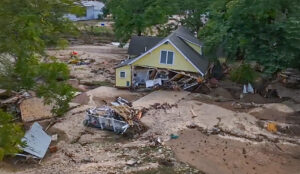
 North Carolina has secured a major legal victory after a federal judge ordered FEMA to reinstate the halted BRIC disaster-mitigation program, siding with a lawsuit filed by Attorney General Jeff Jackson. The ruling immediately restores millions in resilience funding for cities and towns across the state.
“We won this case because FEMA tried to take back $200 million that it had already designated for North Carolina,” said Attorney General Jeff Jackson in a press release. “Our towns spent years doing everything FEMA asked them to do to qualify for this funding, and they were in the middle of building real protections against storms when FEMA suddenly broke its word. Keeping water systems working and keeping homes out of floodwater isn’t politics – it’s basic safety. This ruling puts the money back where it was promised so these communities can be ready for the next storm.”
In the decision, the court sharply criticized FEMA’s freeze, calling it “unlawful Executive encroachment on the prerogative of Congress to appropriate funds for a specific and compelling purpose.” The judge also noted that “the BRIC program is designed to protect against natural disasters and save lives,” adding that “the imminence of disasters is not deterred by bureaucratic obstruction.”
The order requires FEMA to resume processing and distributing BRIC grants without delay. The freeze had stalled critical projects designed to protect drinking water, electrical systems, and flood-prone infrastructure statewide.
Several North Carolina communities now regain access to major awards, including:
-
Salisbury — $22.5 million to relocate a sewage station away from the Yadkin River flood zone.
-
Hillsborough — nearly $7 million to move a pump station out of a flood plain.
-
Gastonia — $5.9 million to restore Duharts Creek banks and relocate vulnerable sewer lines.
-
Mount Pleasant — more than $4 million to improve stormwater drainage and secure electrical equipment.
-
Leland — $1.1 million to move sewer infrastructure away from Sturgeon Creek, which frequently floods.
Jackson said the ruling “restores stability to a program designed to prevent disasters, not create them,” and emphasized that communities can now resume work that had been paused for months.
With the injunction in place, local governments are preparing to restart engineering and construction planning as FEMA begins reinstating grants. State officials said the decision strengthens North Carolina’s long-term resilience as storms and flooding continue to intensify across the region.