
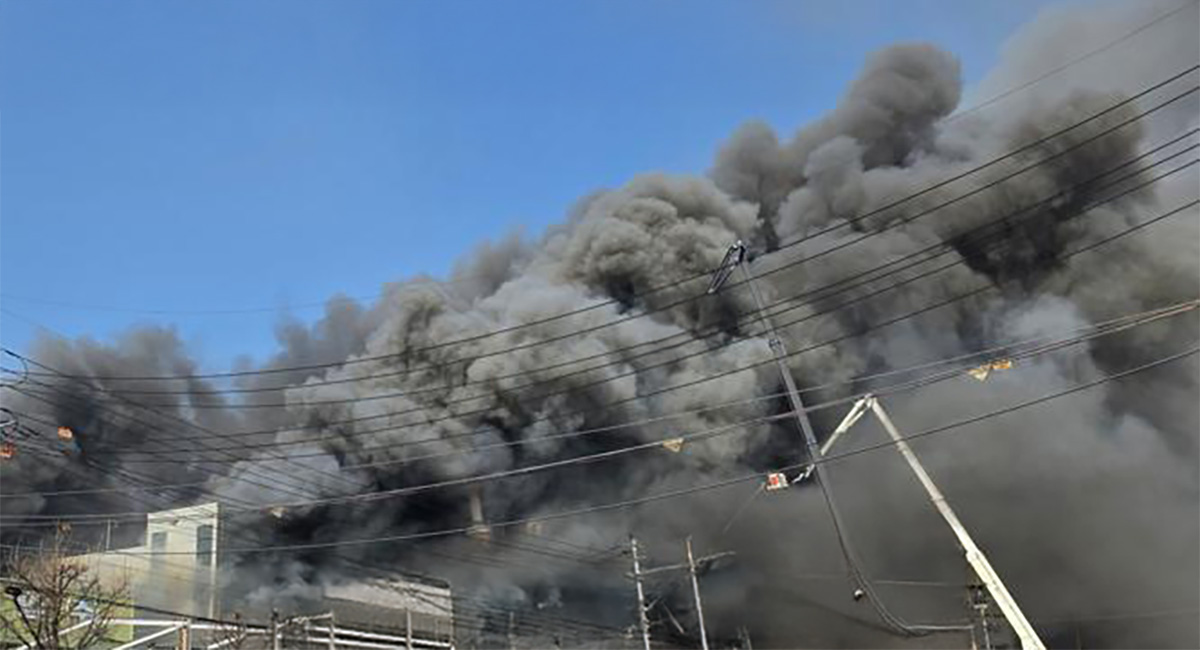
 A fire broke out Friday evening at an industrial facility in Pageland, sending thick black smoke into the sky and prompting a multi-agency emergency response. Crews were dispatched around 6:10 p.m. to the Aalberts Industries plant on South Van Lingle Mungo Road.
Firefighters from Pageland, Sandhills, High Point, and Ruby–Mount Croghan responded alongside a hazmat team from Monroe, North Carolina. Crews evacuated the 200,000-square-foot facility and brought the fire under control by approximately 6:45 p.m.
No injuries were reported among employees or first responders. Officials say the cause of the fire remains under investigation, and damage estimates have not yet been released.
The plant manufactures brass valves, a process that involves melting and shaping metal alloys. Facilities like this typically use industrial lubricants, coolants, cleaning agents, and acids for finishing and surface treatment.
Aalberts Industries is a global manufacturing company specializing in engineered metal components and fluid control systems. Its operations often include machining, casting, and finishing processes that rely on chemicals such as cutting fluids, degreasers, and metal treatment solutions.
While these chemicals are common in manufacturing, fires at such facilities can produce heavy smoke and potentially hazardous byproducts depending on what materials are involved.
This marks the third reported fire at the Pageland plant in the past two years, raising concerns about operational safety and emergency preparedness.
The incident also comes as industrial development continues to expand across the region, bringing renewed attention to how different types of manufacturing facilities compare in scale and risk.
For example, the Aalberts facility focuses on metalworking and valve production, which generally involves smaller volumes of industrial chemicals used for machining and cleaning.
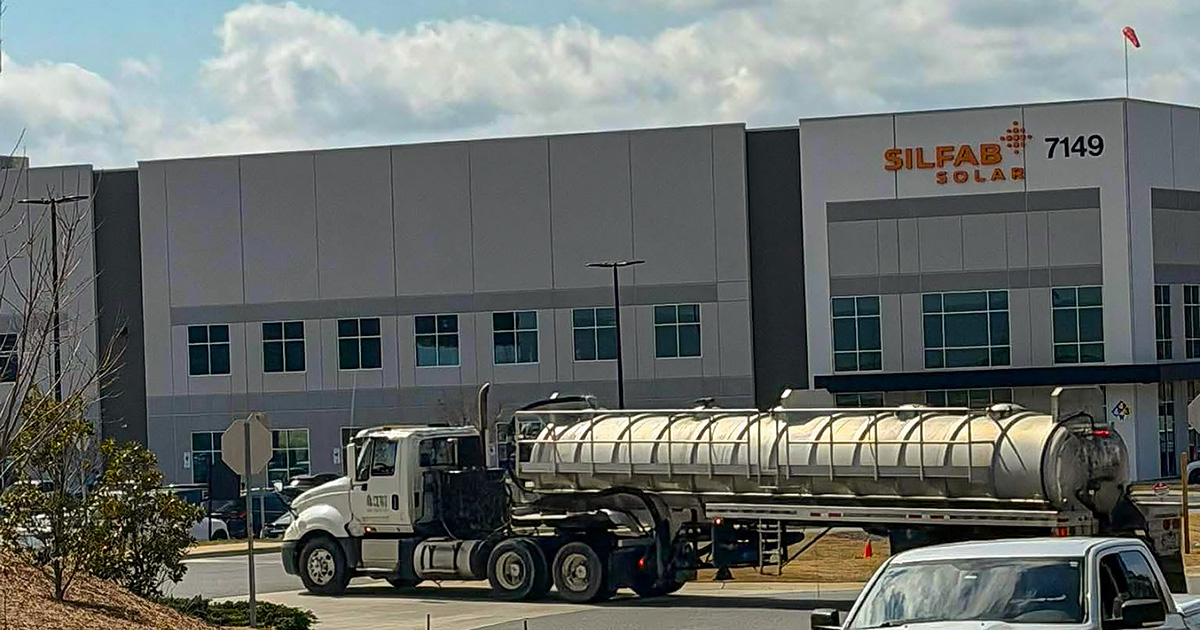 In contrast, new Charlotte-area factories like Silfab’s proposed 900,000 sq ft factory in Fort Mill involve entirely different processes. Those operations include the storage and use of over 1 million lbs of highly hazardous and toxic chemicals such as hydrofluoric acid, silane, TMA, ammonia, phosphorus oxychloride, boron trichloride, and other highly toxic or reactive substances.
The difference is largely one of scale and chemical intensity. Metalworking plants like Aalberts typically use contained, lower-volume chemicals tied to fabrication processes. Experimental cell manufacturing, however, often requires bulk storage and frequent delivery of highly hazardous materials.
For communities, that distinction can influence both everyday exposure risks and worst-case emergency scenarios. Fires at metal plants may produce heavy smoke and localized hazards, while incidents at high-chemical facilities could involve evacuation zones and more complex response protocols.
As the investigation into Friday’s fire continues, local officials are expected to review safety procedures and response efforts. The incident adds to a growing conversation across the region about industrial growth, safety standards, and how different types of facilities impact nearby communities.