
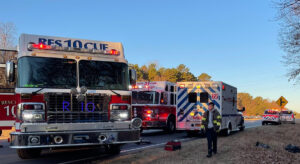
 New analysis of federal Pipeline and Hazardous Materials Safety Administration (PHMSA) data shows America’s hazardous materials transport incidents have skyrocketed — up 84.8% since 2010 — with highway trucking responsible for the overwhelming majority of the chaos.
A detailed five-year review (April 2021–April 2026) by Trace One reveals more than 119,000 highway hazmat incidents nationwide, dwarfing rail, air, and water transport combined.
Corrosives and flammable liquids dominate the spill lists, and the consequences are getting uglier: injuries, hospitalizations, evacuations, and millions in damages.
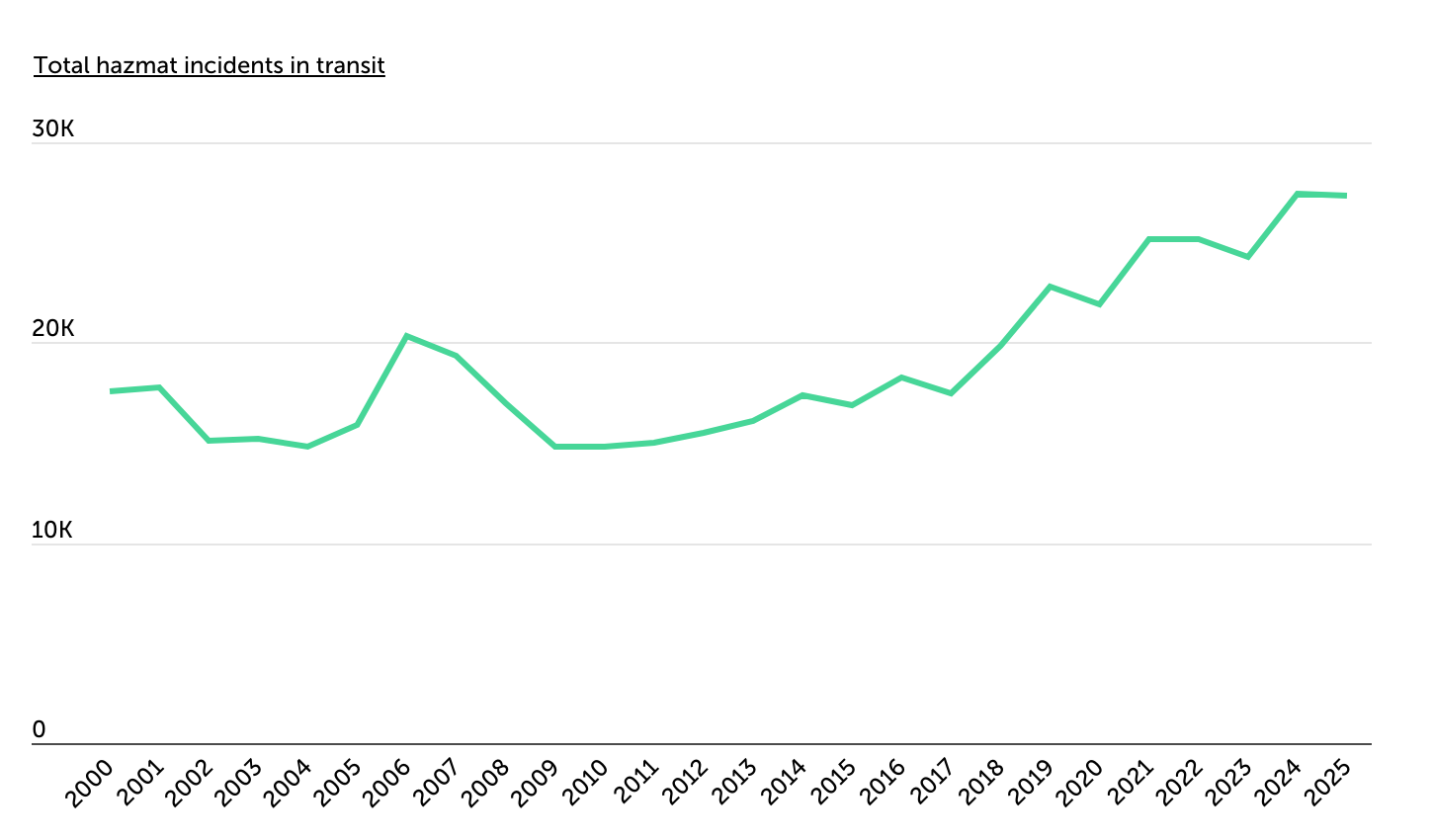
Over the past 5 years, South Carolina had a total of 1,336 total hazmat transit incidents, resulting in $13,223,021 in total damages, with the most common hazmat incident involving corrosive substances, according to the report.
Our state’s booming manufacturing and logistics corridor — anchored by the I-77 and I-85 corridors that feed directly into Charlotte — puts it squarely in the crosshairs of this national crisis. And now one local factory is preparing to dramatically escalate the risk.
Silfab Solar’s Toxic Chemical Cocktail Is Coming by Truck
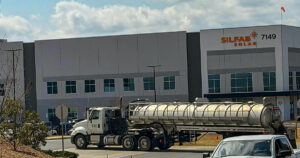 At the Silfab Solar plant in Fort Mill — literally feet from Flint Hill Elementary School’s playgrounds — the company is ramping up full-scale TOPCon solar cell manufacturing. Their heavy industrial factory requires over 1 million lbs of some of the most dangerous substances on the PHMSA watch list, including:
- Hydrofluoric acid (HF)
- Hydrochloric acid (HCl)
- Silane gas
- Anhydrous ammonia
- Phosphrus Oxyhclroide
- Boron Trichloride
- Trimethylaluminum
- Potassium Hydroxide
- Liquid Oxygen
These chemicals aren’t just sitting in tanks. They arrive by truck, get stored on-site, get used in production, and generate waste that must be hauled away. Every single truck movement adds another potential spill point along South Carolina highways that already see thousands of hazmat shipments annually.
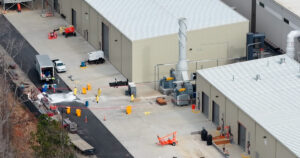 We’ve already seen what happens when things go wrong at Silfab. In March 2026, a potassium hydroxide spill triggered a hazmat response that required 300,000 gallons of hazmat waste to be disposed of. Days later, a hydrofluoric acid leak forced a two-day closure of nearby schools. There have also been a steady stream of 911 calls at the factory for breathing problems, chest pain, and other symptoms consistent with exposure to these exact chemicals.
Fort Mill residents didn’t ask to have their risk increased (hazardous treatment and storage facilities, like Silfab, are actually prohibited in Fort Mill, according to York County’s zoning code), but in spite of the law, York County Chairwoman Christi Cox and manager Josh Edwards are continuing to allow Silfab, without zoning compliance, to truck in hundreds of thousands of gallons of dozens of highly toxic and explosive chemicals into Fort Mill, turning the region into a constant high-stakes gamble.