
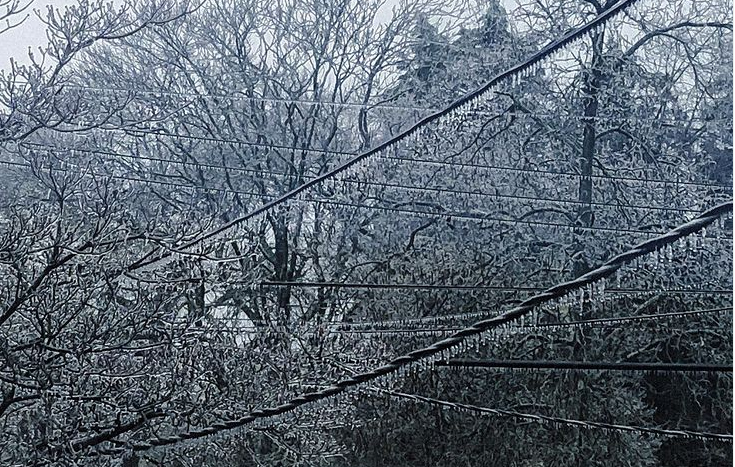
 A potentially historic winter storm could bring some of the most damaging ice the Charlotte region has ever seen this weekend.
North Carolina Gov. Josh Stein has already declared a State of Emergency and NCDOT crews are already pre-treating roads, bridges, and overpasses with brine. They have also restocked salt and prepared equipment for quick response.
I’ve declared a State of Emergency as North Carolinians brace for winter weather this weekend. The State Emergency Response Team is already working to make sure resources are in place to keep folks safe.
Now is the time to be prepared and get everything you need in advance of…
— Governor Josh Stein (@NC_Governor) January 21, 2026
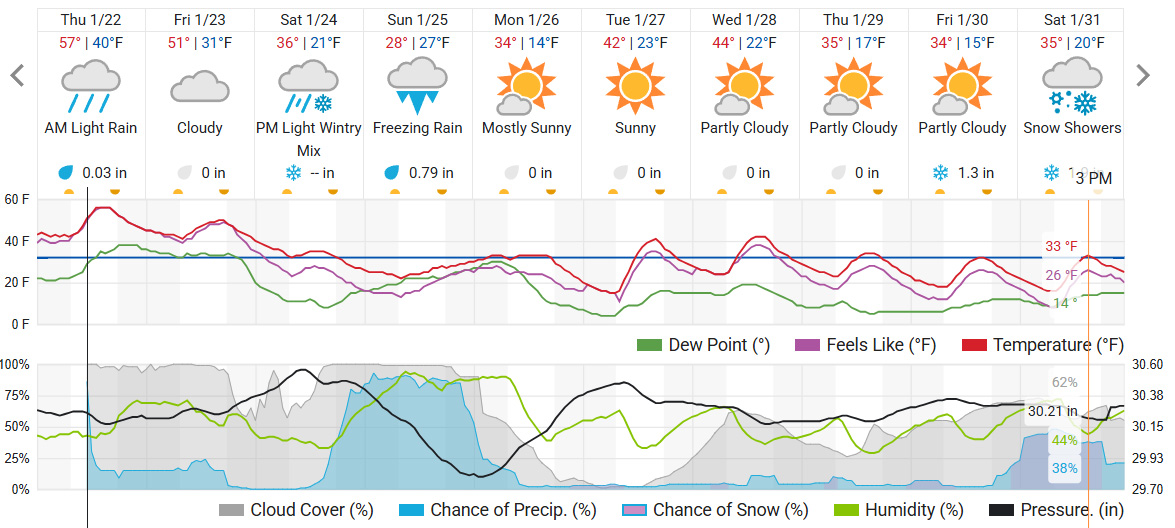
Forecasters expect sustained subfreezing temperatures into next week. Ice remains the biggest concern, with forecasts predicting prolonged freezing rain. The winter storm watch outlines ice totals that could reach damaging levels in parts of the region in excess of 1 inch. Road conditions could deteriorate significantly as early as Saturday afternoon and could remain hazardous for days.
Attorney General Jeff Jackson has activated North Carolina’s price gouging law during the emergency. Residents can report suspected gouging at 1-877-5-NO-SCAM or through the state’s online system here.
The setup is reviving memories of the December 2002 ice storm. That storm brought major power outages, significant damage, and more than 200 carbon monoxide-related hospitalizations tied to improper heating. An estimated 24 deaths and over 1.8 million people lost power due to the storm.
If this weekend verifies on the high end, ice could snap trees, drop power lines, and lock roads under a hard glaze. Officials urge residents to prepare now and avoid travel once freezing rain begins.
North Carolina Emergency Management officials remind all residents to:
- Keep enough water in your home for 3 days.
- Keep enough non-perishable food in your home for 3 days.
- Keep fresh batteries on hand for weather radios and flashlights.
- Dress warmly. Wear multiple layers of thin clothing instead of a single layer of thick clothing.
- Properly vent kerosene heaters and keep any electric generators outside and away from open windows or doors to prevent carbon monoxide poisoning. Never burn charcoal or operate grills indoors.
- Monitor changing forecasts and weather conditions closely.
- Keep an vehicle emergency kit, blankets, and sand/salt in your car.
- Top off all your vehicle’s fluids, especially your oil, power steering fluid, and antifreeze.