
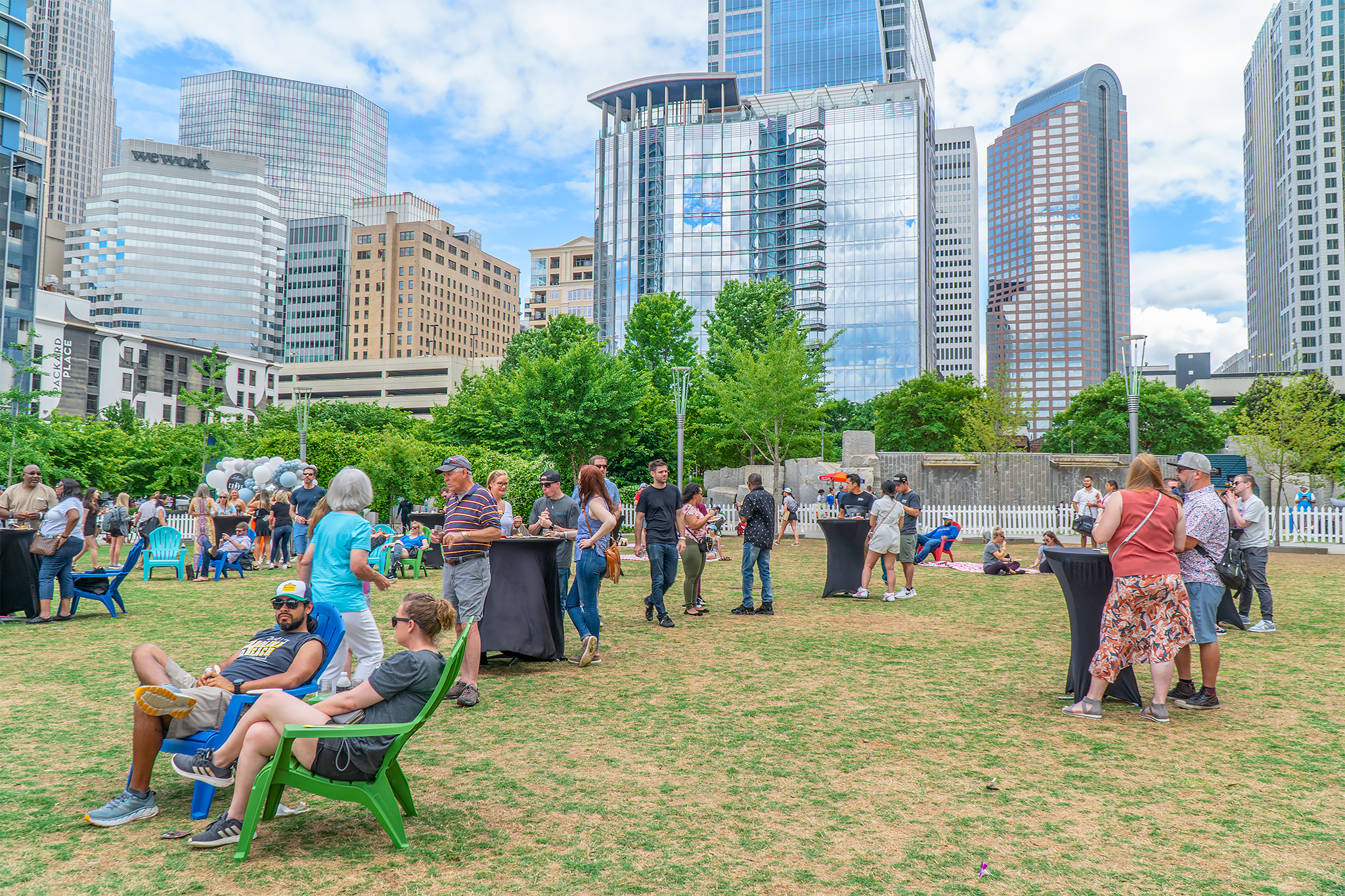
 Uptown Charlotte feels different in 2026. Weekends stretch longer, sidewalks stay busy later, and hotel lobbies hum with activity that used to be reserved for major conventions. The shift isn’t subtle, and the data backs it up.
What’s driving the change is less about boardrooms and more about experiences. Leisure travel, concerts, and international sporting events are now the main engines of Uptown foot traffic, pulling in visitors who move through the city on a very different schedule than traditional business travelers.
1. Restaurant And Bar Foot Traffic
Restaurants and bars feel the extended rhythm most directly. Event-driven crowds arrive earlier, linger longer, and spread out across more neighbourhood pockets of Uptown. Pre-show dinners, post-game drinks, and late-night bites now overlap in ways that were rare just a few years ago.
This matters because it changes demand patterns. Kitchens staff for surges tied to event start times, while bars see steadier flows rather than sharp spikes. The result is a hospitality scene built around flexibility, not fixed peaks.
As evenings wind down, many visitors are also turning to digital, low-effort entertainment to prolong their bar or restaurant visits. Some might research how to win at Plinko casinos before having a go at the game, winding down indoors after a packed day exploring the city. Others browse local apps to start planning the next day’s activities and dining options. It’s one more signal of how visitor behaviour is evolving alongside Uptown itself.
2. Hotel Occupancy And Room Rates
Hotels are one of the clearest indicators of the shift toward event-driven tourism. During major international matches tied to the FIFA Club World Cup, Mecklenburg County hotel occupancy rose 3.5 percent year over year. That bump came from leisure travelers booking around match schedules rather than midweek business stays.
For Uptown properties, that change affects everything from staffing patterns to pricing strategy. Demand now peaks around weekends and event calendars, with fewer gaps between high-occupancy periods. The traditional Monday-to-Thursday rhythm is no longer the dominant model.
3. Convention And Event Attendance
Large-scale events are doing more than filling hotel rooms. They are anchoring Charlotte’s entire visitor economy. Tourism activity generated a record $1.2 billion in economic impact in fiscal year 2025, a figure driven largely by leisure travel and major events.
That level of impact reshapes how Uptown is used. Convention center traffic blends with concertgoers, sports fans, and festival crowds, creating longer daily activity windows. Instead of emptying out after work hours, entire blocks stay active deep into the evening.
What Visitors Do After Hours
Once events end, the day doesn’t necessarily stop. Many visitors retreat indoors, especially those staying multiple nights. Streaming, social media, and simple online games have become part of the after-hours routine, offering easy entertainment without another trip outside.
That behaviour complements Uptown’s nightlife rather than replacing it. Visitors might spend an evening out, then wind down back at their hotel, keeping spending and engagement spread across the day instead of concentrated in one window.
Taken together, these data points show an Uptown shaped less by office calendars and more by experience-driven travel. Hotels, restaurants, and venues are all adapting to visitors who come for moments, not meetings. For Charlotte residents, it explains why Uptown feels busier, later, and more energetic in 2026—and why that momentum shows little sign of slowing down.