
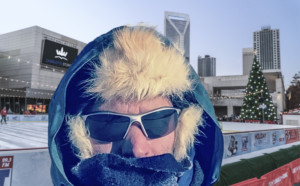
 Freezing temperatures aren’t as common in Charlotte as in northern states, but when cold snaps hit the Queen City, they tend to cause outsized damage—especially to plumbing systems that aren’t built for prolonged freezes. Burst pipes can lead to thousands of dollars in repairs, water damage, and major disruption. The good news: a few preventive steps can significantly reduce your risk.
1. Know When Your Pipes Are at Risk
In Charlotte, pipes become vulnerable when outdoor temperatures drop to 28°F or below for several hours. Sudden overnight cold fronts, typical of December–February, pose the biggest threat—especially to homes with uninsulated crawl spaces or exterior plumbing.
Watch for:
- Hard freezes or wind chills in the 20s
- Multi-day cold waves
- Loss of heat during freezing weather
2. Insulate the Areas Most Charlotte Homes Overlook
Because many Charlotte homes use crawl spaces rather than basements, the plumbing underneath is often exposed to drafts. Insulate the following:
Crawl space pipes
- Use foam pipe sleeves, fiberglass wrap, or heat tape rated for outdoor/under-house use.
- Seal vents only during extreme cold, then reopen them to maintain airflow after temps rise.
Outdoor hose bibs
- Install insulated faucet covers during winter.
- Disconnect all hoses (water trapped inside can back up and freeze the interior line).
Garage pipes
If your water heater or laundry connections are in your garage—a common setup—ensure the garage doors stay closed and draft points are sealed.
3. Let Faucets Run During Hard Freezes
During nights forecasted below 25°F, leave a slow trickle of cold water running from faucets on exterior walls or in rooms above unheated areas. Moving water is far less likely to freeze.
Focus on:
- Kitchen sinks on exterior walls (very common in Charlotte floorplans)
- Bathroom faucets over crawl spaces
- Laundry room faucets in unheated areas
4. Keep Your Home Warm—Even If You’re Away
Many freezing events in Charlotte happen overnight or when families are traveling for the holidays.
- Keep the thermostat at 55°F or higher at all times.
- Open kitchen and bathroom cabinet doors to let warm air reach hidden pipes.
- Close blinds and curtains to reduce heat loss.
5. Protect Outdoor Plumbing
For irrigation systems and outdoor kitchens:
- Shut off and drain irrigation backflow preventers.
- Use insulation covers or blankets on exposed outdoor pipes.
- Winterize outdoor kitchens by shutting off their water supply and draining the lines.
6. Know How to Shut Off Your Water
If a pipe does freeze or bursts, shutting off your main water supply immediately reduces damage.
In most Charlotte homes, the main shutoff valve is:
- In the crawl space near the front foundation wall
- Inside a utility closet
- At the meter box near the street
Locate it before winter weather strikes.
7. Consider Installing a Smart Leak Detector
Charlotte Water reports that winter is one of the peak seasons for water-loss emergencies. Smart sensors can notify you at the first sign of a leak or freezing temperature—giving you time to act before disaster hits.
Popular options include:
- Moen Flo
- Phyn Plus
- Honeywell Lyric
8. What to Do If a Pipe Freezes
Act quickly:
- Turn off the main water valve.
- Open faucets to relieve pressure.
- Use a hairdryer, heating pad, or space heater to warm the pipe (never use an open flame).
- Call a licensed plumber if you can’t locate the frozen section or the pipe has burst.
Final Thoughts
Charlotte’s winters may be mild, but even one hard freeze can cause major plumbing damage if you’re unprepared. A combination of insulation, temperature control, and smart habits can protect your home throughout the winter season.
If you’d like, I can:
- Add SEO keywords for Charlotte
- Turn this into a printable checklist
- Write a shorter social-media version
Add a call-to-action for your plumbing business